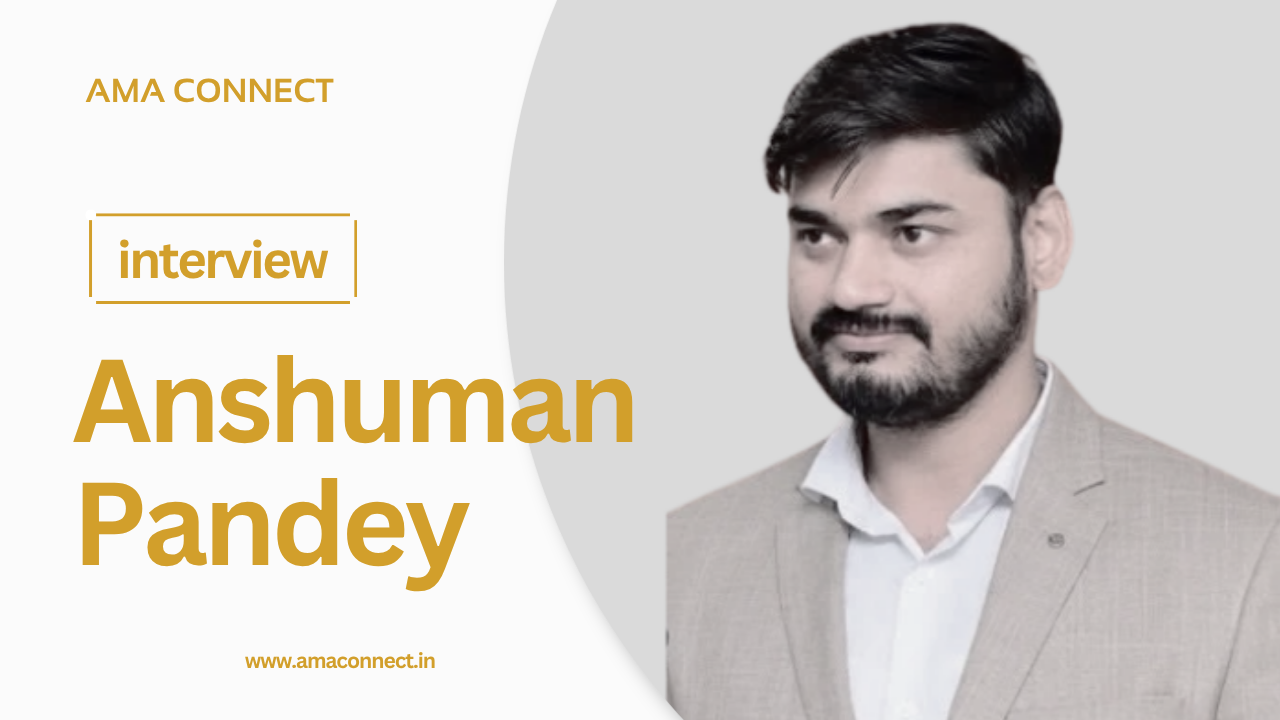
Inside the Legal Framework of India's Energy Infrastructure: A Conversation with Anshuman Pandey
Early Lessons in Resilience: The Foundation of a Legal Career
Anshuman Pandey's journey into law began in the historic city of Ayodhya, a place synonymous with the spirit of resilience. Growing up amidst the backdrop of the Shri Ram Janmabhoomi legal dispute, Anshuman witnessed firsthand the transformative power of legal frameworks. This landmark case, culminating in a historic Supreme Court judgment in 2019, underscored the importance of structured law and constitutional order. For Anshuman, the law was more than statutes; it was the scaffolding of society, the mechanism through which justice is delivered to the underprivileged.
Ayodhya, with its rich tapestry of religious and historical significance, provided an unconventional classroom for a young mind intrigued by the law. The legal dispute surrounding the Ram Janmabhoomi site was not just a battle of land ownership but a profound exploration of constitutional principles and social harmony. Anshuman found himself drawn to the debates and discussions that swirled around him, where law and faith intersected in complex ways.
This early exposure to the profound impact of legal processes sparked a permanent curiosity in Anshuman, steering him towards a formal legal education. He became the first in his family to pursue law, enrolling at the National Law University and Judicial Academy, Assam. Studying alongside peers from diverse backgrounds broadened his perspective, teaching him the value of diverse viewpoints. The university became a melting pot of cultures and ideas, where Anshuman learned to appreciate the law's multifaceted nature.
Indeed, the city of Ayodhya, steeped in history and a witness to one of the most pivotal legal battles in the nation, became the crucible in which Anshuman's legal inclinations were forged. It was here that he understood the potential of the law as a vehicle for peace and reconciliation, a lesson that would prove invaluable in his future career. Through the narrative of Ayodhya, Anshuman's ambitions were not just about personal success but about contributing to the collective societal good.
"Witnessing firsthand how structured rule of law and constitutional mechanisms could peacefully navigate a centuries-old, highly sensitive dispute revealed the true, transformative power of legal frameworks."
At university, Anshuman was a founding member of the Centre for Disability Studies and Health Laws, engaging in advocacy and discourse to create meaningful societal impact. His involvement in academic conferences, moot courts, and internships provided a holistic view of the legal landscape, laying a strong foundation for his career. This multifaceted experience culminated in his graduation in 2021. The connections he made and the lessons he learned would guide him as he ventured into the legal profession, reminding him of the enduring influence of his roots in Ayodhya.
Furthermore, the exposure to diverse legal environments and challenges in the Northeast region of India, where he completed his education, enriched his understanding of the law as a tool for addressing regional diversities and unique socio-political contexts. Anshuman's journey illustrates how foundational experiences in one's formative years can shape their professional ethos and drive their ambitions toward societal betterment.
Plunging into Power: Anshuman Pandey's Corporate Transition
Upon graduation, Anshuman joined Power Grid Corporation of India Limited (POWERGRID) as a Law Officer, marking his entry into the public sector corporate ecosystem. This transition was more than a career move; it was an opportunity to apply his academic knowledge in a practical setting. As one of the largest power transmission utilities globally, POWERGRID provided a platform for Anshuman to dive deeply into corporate, commercial, and regulatory laws within the high-stakes infrastructure and energy sectors.
The decision to join POWERGRID was fueled by Anshuman's desire to witness the immediate impact of his legal work on national infrastructure projects. The energy sector, particularly power transmission, is a critical backbone of India's economic development, and Anshuman was eager to contribute. The role demanded not just legal expertise but a robust understanding of engineering and economic principles as well.
Anshuman's role at POWERGRID encompassed managing complex legal portfolios across diverse jurisdictions. His responsibilities ranged from resolving commercial disputes and formulating legal opinions to handling Right of Way (RoW) challenges, insolvency proceedings, and arbitration. This diverse array of tasks tested Anshuman's foundational drive and allowed him to navigate a wide spectrum of responsibilities, ensuring the seamless operation of the nation's power transmission grid.
Key Takeaway: Embracing Complexity
Anshuman's transition into the public sector highlighted the necessity of embracing complexity. His role required not only legal acumen but also the ability to manage diverse legal, regulatory, and commercial challenges intricately linked to national infrastructure.
This position at POWERGRID was an arena where Anshuman could test his mettle against the demands of real-world legal challenges. The corporation's sprawling operations across the country meant that Anshuman was constantly engaged with new issues, each requiring a unique blend of legal strategy and practical problem-solving. The experience was both humbling and invigorating, shaping Anshuman into a versatile legal professional able to navigate the intricacies of the energy sector with confidence and clarity.
Moreover, this role allowed Anshuman to integrate his legal expertise with the technical and operational aspects of the power sector, fostering an environment where interdisciplinary collaboration was crucial. By understanding the engineering challenges alongside legal requirements, Anshuman could craft solutions that were both legally sound and technically feasible, bolstering the organization's ability to meet its infrastructure goals effectively.
Milestones on the Ground: Navigating Right of Way Challenges
Anshuman's career was significantly shaped by his involvement in infrastructure project execution, particularly in handling Right of Way (RoW) and land acquisition matters. Unlike typical corporate roles where disputes are confined to boardrooms, energy infrastructure disputes occur on the ground. This hands-on experience in the North Eastern Region of POWERGRID, with projects spanning seven states, presented an incredible matrix of legal diversity and operational challenges.
The North Eastern Region, with its unique geographical and cultural landscape, provided a distinctive legal challenge. The terrain required innovative legal solutions to ensure the smooth execution of power projects. Anshuman's role involved direct interaction with local communities and authorities, where he had to balance legal mandates with the socio-cultural sensitivities of the region.
Anshuman successfully navigated critical line-obstruction issues by bridging the gap between the Electricity Act, 2003 and the Indian Telegraph Act, 1885. He played a pivotal role in high-stakes commercial arbitrations and multi-jurisdictional litigations crucial to the corporation's interests. Collaborating with legal luminaries like the Solicitor General and Additional Solicitors General of India, Anshuman gained profound insights into complex statutory provisions under intense courtroom scrutiny.
"An effective in-house counsel must be part-lawyer, part-strategist, and part-mediator."
This multifaceted role taught Anshuman the art of precision and strategic thinking, empowering him to manage legal risks, prevent arbitrary stay orders, and ensure the timely execution of projects of national importance. His ability to mediate between diverse stakeholders was crucial in maintaining project momentum, showcasing his capacity to navigate complex institutional landscapes.
Working in such a dynamic and challenging environment honed Anshuman's skills in conflict resolution and negotiation, vital competencies for handling the intricate legalities of infrastructure projects. The experience also underscored the importance of understanding regional legal frameworks and building trust with local stakeholders, which are essential for the successful execution of projects in geographically and culturally diverse regions.
Guiding the Next Generation: Anshuman's Advice for Aspiring Lawyers
Anshuman Pandey offers valuable advice to law students and young advocates embarking on their legal journeys. He emphasizes the importance of honesty, dedication, and consistency as the cornerstones of a successful legal career. According to Anshuman, the legal profession demands immense patience, and shortcuts to true competence are nonexistent. Professional integrity and a solution-oriented approach are the greatest assets for budding lawyers.
Honesty and Dedication: These are the pillars of a successful legal career, ensuring that young advocates build a foundation of competence and trust.
Solution-Oriented Mindset: Lawyers should focus on finding ways forward, rather than creating deadlocks, offering viable solutions that clients, courts, and in-house teams value.
Diverse Learning Experiences: Engaging in moot courts, research, and diverse internships helps develop commercial and legal awareness. Understanding the broader ecosystem is crucial for aspiring lawyers.
Anshuman's emphasis on continuous learning and adaptation extends beyond traditional legal education. He encourages young lawyers to immerse themselves in the industries they serve, gaining a comprehensive understanding of the business models and operational challenges their clients face. This holistic approach to legal practice not only enhances their problem-solving abilities but also positions them as invaluable strategic partners.
In Anshuman's view, an exceptional lawyer is not a bottleneck but a bridge, someone who actively resolves deadlocks, upskills across sectors, and understands the core business as deeply as technical engineers and corporate strategists.
Anshuman also stresses the importance of mentorship and networking. Building relationships with seasoned professionals and peers can provide young lawyers with invaluable insights and guidance. Such interactions not only enrich their professional journey but also open doors to opportunities and collaborative endeavors that can shape their careers.
Strategic Insights: Practical Advice for PSU Law Officers
For those entering a Public Sector Undertaking (PSU) as a Law Officer, Anshuman Pandey offers practical insights from his experience. He advises shedding the mindset of a detached external legal advisor and immersing oneself in the problem at hand. In a PSU, a Law Officer acts as a critical bridge between corporate operations and external legal counsel.
Anshuman emphasizes the importance of taking ownership of legal matters, collaborating closely with technical, engineering, finance, and procurement departments. This collaborative approach ensures that legal opinions directly impact management decisions, business sustainability, and sometimes even lives and livelihoods.
Key Takeaway: Active Ownership
An effective PSU Law Officer does not function as a postmaster but as a stakeholder who takes deep accountability for issues, handling matters with strategic foresight and engineering legally sound pathways.
Anshuman's practical experience highlights the importance of proactive engagement with ground-level challenges. By working closely with field teams, he has established open lines of communication, enabling real-time legal support that preempts potential disputes. This approach not only mitigates risks but also fosters a culture of collaboration and trust within the organization.
Additionally, Anshuman recommends that PSU Law Officers develop a strong understanding of the regulatory environment and stay abreast of legislative changes. This knowledge allows them to anticipate potential legal challenges and devise strategies that align with evolving legal standards, ultimately enhancing the organization's ability to achieve its objectives efficiently.
Anshuman Pandey identifies both strengths and areas for reform in the existing legal framework, particularly concerning the energy infrastructure sector. The Electricity Act of 2003 has been a monumental success in promoting competition and creating regulatory authorities like the CERC and SERCs. However, Anshuman notes that the sector is undergoing major legal transitions.
The replacement of the old Telegraph Act with the Telecommunication Act, 2023 necessitates amendments to the Electricity Act to address structural shifts. As India pushes towards renewable energy integration, Tariff-Based Competitive Bidding (TBCB), and cross-border power transmission, the legal frameworks must become more agile.
Uniform RoW and Land Guidelines: Streamlining and unifying compensation frameworks across states is crucial to prevent protracted litigations.
Strengthening Tribunals and Commercial Courts: Accelerating execution timelines for commercial dispute resolution mechanisms is essential to unlock vital capital and skilled manpower.
Protection for Small Sub-vendors: Ensuring statutory clarity regarding the "clean slate principle" is necessary to safeguard the dues of micro and small operational creditors.
Anshuman's insights underscore the need for legal frameworks to evolve in response to changing industry dynamics and ensure infrastructure expansion is not hindered. The legal community must anticipate and adapt to emerging challenges, providing robust solutions that support sustainable development and national progress.
Moreover, Anshuman advocates for increased transparency and stakeholder engagement in the reform process. By involving various stakeholders, including industry experts, government bodies, and affected communities, in the legal reform dialogue, the resultant policies and regulations can be more comprehensive and effective in addressing the multifaceted challenges facing the energy sector.
The Role of Contract Drafting in Power Infrastructure
Contract drafting and negotiation play a pivotal role in Anshuman's responsibilities as a Law Officer at POWERGRID. In the realm of massive, capital-intensive infrastructure projects, relationships with contractors, vendors, and developers are governed by highly technical and complex commercial agreements.
Anshuman highlights the critical need for precision in drafting provisions, such as liquidated damages, price variation, force majeure events, and dispute resolution mechanisms. A single poorly drafted clause can lead to significant financial exposure and project delays.
His goal is to engineer a balanced risk-allocation model that fiercely protects PSU accountability while maintaining contractual flexibility. This approach ensures that the contractual ecosystem can withstand unforeseen ground-level execution challenges, safeguarding both national interests and public funds.
Through his meticulous approach to contract management, Anshuman has been able to mitigate risks and enhance operational efficiency. His efforts have not only protected the organization's interests but also strengthened its reputation as a reliable and responsible partner in the energy sector.
Anshuman's experience underscores the importance of fostering a collaborative environment where legal experts work closely with technical and operational teams. This synergy ensures that contracts are not only legally sound but also practically viable, reducing the risk of disputes and facilitating smooth project execution.
Core Values: Integrity and Institutional Humility
Throughout his legal journey, Anshuman Pandey has upheld the values of unflinching integrity and deep institutional humility. Serving as an in-house corporate legal counsel within a major Maharatna CPSU, Anshuman's primary duty is to provide accurate legal advice while maintaining a solution-oriented approach.
Anshuman emphasizes the importance of continuous evolution, constant upskilling, and an enduring willingness to listen. True professional growth requires being highly approachable and receptive to learning from individuals across the operational spectrum.
"True legal mastery lies in balancing the strength of absolute integrity with the humility to learn from every voice."
By remaining grounded and open-minded, Anshuman effectively navigates complex institutional landscapes and high-stakes challenges, transforming operational risks into collaborative, enduring solutions. His commitment to integrity and humility has earned him the respect and trust of colleagues and stakeholders alike.
Anshuman's leadership style, rooted in these core values, fosters a culture of accountability and mutual respect within the organization. His ability to listen and adapt not only enhances his decision-making capabilities but also inspires those around him to strive for excellence and innovation in their respective roles.
To the wider legal community, Anshuman Pandey conveys a powerful message: the definition of a legal professional is undergoing a massive transformation. The industry is shifting from reactive dispute resolution to proactive risk strategy. As technology, green energy transitions, and global supply chains redefine the corporate landscape, the legal community must actively stay ahead of the curve.
Anshuman advocates for the intelligent integration of Artificial Intelligence (AI) and legal tech into workflows to drive efficiency. However, this integration should never come at the cost of deep legal insight, analytical sharpness, or foundational knowledge.
Key Takeaway: Humility and Technology
The future of law belongs to those who use cutting-edge technology as a tool but rely on unyielding integrity as a compass, ensuring that success is accompanied by humility and service to the nation.
Finally, Anshuman emphasizes the importance of humility. As legal professionals ascend their careers, staying grounded, approachable, and willing to mentor the next generation is vital. This balance ensures that lawyers remain connected to their roots while contributing to nation-building through their legal practice. By embracing these values, the legal community can navigate the challenges of the future with confidence and purpose.
Anshuman's vision for the future of law is one where technological advancements are harnessed to enhance the practice of law, not replace the human elements that are essential to effective legal counsel. By embracing technology while maintaining a commitment to ethical standards and continuous learning, legal professionals can lead the industry toward a more innovative and responsible future.