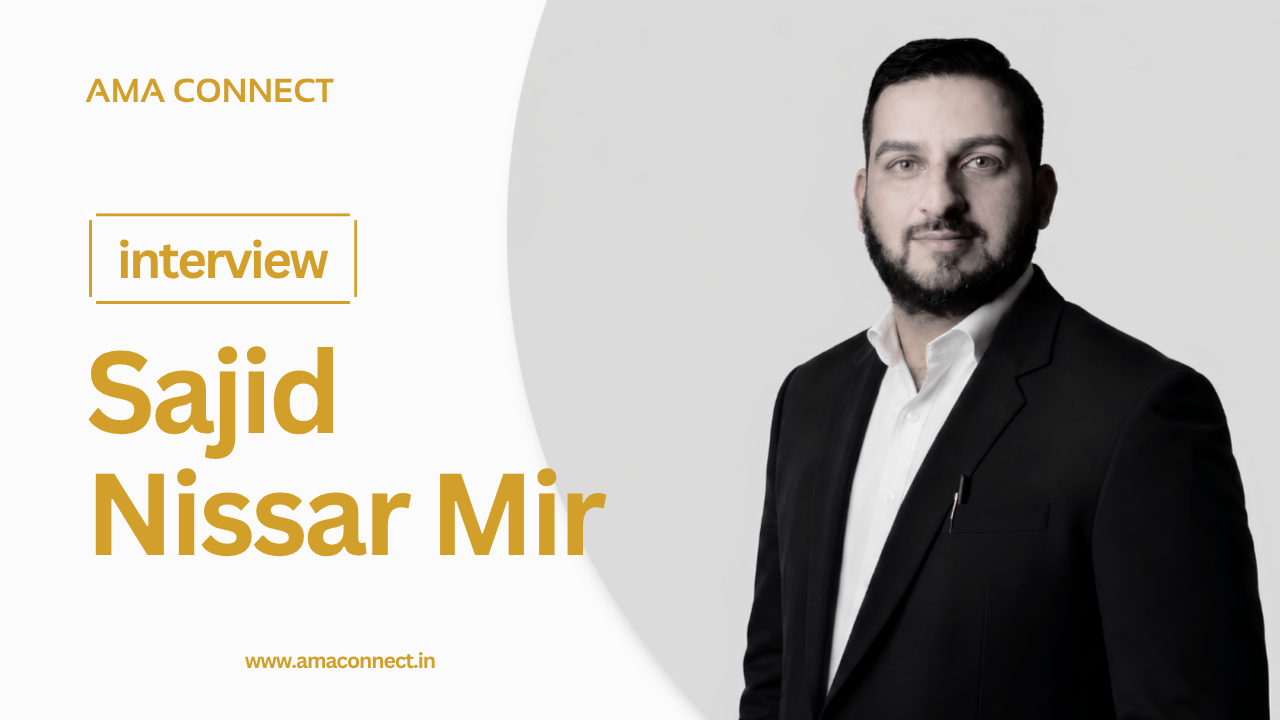
Navigating Innovation and Compliance: Sajid Nissar Mir's Strategic Legal Insights at BCG
In the dynamic and fast-paced world of commercial law, few roles are as demanding and multifaceted as that of an in-house counsel at a global consulting powerhouse like the Boston Consulting Group (BCG). Sajid Nissar Mir, the Director and Managing Legal Counsel - Commercial, stands at the forefront of this challenging environment, where he artfully balances the scales of innovation and regulatory compliance.
Mir's approach is a testament to the evolution of the legal profession, particularly within consulting. He views the legal team not merely as a regulatory checkpoint but as an integral strategic business partner. This shift in perspective is crucial in a setting where business objectives evolve rapidly and require nimble legal strategies that support rather than hinder innovation. "The role of in-house counsel is to enable the business to pursue opportunities confidently by providing clear, pragmatic, and commercially informed legal guidance," Mir asserts.
"Success is measured not by saying 'no,' but by finding compliant pathways to achieve business objectives while protecting the firm's interests and reputation."
This philosophy underscores Mir's risk-based mindset, where not every legal issue is treated with the same gravity. By distinguishing between manageable risks and those necessitating a different business approach, Mir and his team facilitate innovation without compromising on compliance or ethical standards.
Understanding the importance of early engagement, Mir emphasizes the need for the legal team to align closely with business units from the inception of projects. This alignment ensures that the legal framework is built alongside the business strategy, avoiding last-minute surprises and enabling seamless integration of compliance with commercial goals. Such proactive collaboration with business units ensures that legal considerations are woven into the fabric of business decisions, rather than being retrofitted as an afterthought.
Mir's approach is particularly significant in the global context of BCG's operations, where navigating diverse regulatory landscapes is a constant challenge. By coordinating across jurisdictions and maintaining consistency while respecting local legal nuances, Mir and his team deliver practical advice that is both regionally relevant and globally coherent. This requires a deep understanding of the legal and regulatory frameworks in different markets, as well as the ability to adapt strategies to align with local business practices.
Key Takeaway
At BCG, the legal function transcends traditional roles by engaging early with business units, thus aligning legal strategies with commercial objectives to foster both compliance and innovation.
Furthermore, Mir's strategy involves leveraging technology to streamline legal processes. By incorporating advanced legal tech solutions, BCG's legal team can quickly analyze vast amounts of data, predict potential legal hurdles, and offer informed recommendations that align with business goals. This technological integration not only enhances efficiency but also empowers legal teams to proactively address potential challenges before they escalate.
Mir's leadership at BCG also highlights the importance of cultivating a legal culture that values open communication and continuous feedback. By fostering an environment where team members feel empowered to voice concerns and share ideas, Mir ensures that BCG's legal strategies are not only effective but also inclusive and forward-thinking. This collaborative culture is pivotal in maintaining a dynamic and responsive legal team capable of handling the complexities of a global consulting firm.
The Evolving Role of Commercial Lawyers: From Gatekeepers to Strategic Partners
The role of commercial lawyers has undergone a profound transformation, particularly in how they are perceived within boardrooms and executive suites. Mir observes that the traditional image of legal counsel as gatekeepers is increasingly obsolete. Today, they are valued for their ability to provide strategic judgment that supports business growth and resilience. This shift necessitates a deeper understanding of the business's strategy, operating model, and competitive landscape.
Legal advice must now be practical, commercially viable, and aligned with broader business priorities. As Mir states, "Senior leadership increasingly looks to legal teams for insights that inform decision-making, particularly in areas such as digital transformation, emerging technologies, and evolving regulatory frameworks."
Commercial acumen: Understanding the nuances of business strategy and how they intersect with legal requirements.
Communication skills: The ability to translate complex legal concepts into actionable insights.
Negotiation and stakeholder management: Essential for collaboration with cross-functional teams and partners.
Adaptability: Navigating uncertainty in a rapidly evolving regulatory and business landscape.
Emotional intelligence: Building trust and facilitating consensus through understanding and influence.
Mir emphasizes that the combination of these skills defines the modern commercial lawyer, who is not just a legal expert but also a trusted advisor contributing to the organization's strategic direction.
In addition to these skills, Mir highlights the importance of continuous learning and professional development. As the demands on commercial lawyers grow, so too must their expertise in areas beyond traditional legal boundaries. Lawyers are now expected to have a working knowledge of business analytics, financial principles, and sector-specific challenges to offer more rounded advice. This requires a commitment to lifelong learning and engagement with industry trends and innovations.
Moreover, the integration of technology into legal practice is an emerging necessity. As technology evolves, so do the tools available to commercial lawyers. Mir encourages legal professionals to embrace technologies that enhance efficiency and accuracy, such as AI for contract review and data analysis tools. By integrating these technologies into their practices, lawyers can provide more strategic and timely advice, further solidifying their roles as indispensable business partners.
Mir also notes that the traditional boundaries of commercial law practice are expanding. Today's lawyers are often involved in discussions that extend into realms like digital ethics and corporate social responsibility. These areas demand a lawyer's input on governance frameworks that ensure ethical business practices. By participating in such discussions, commercial lawyers not only safeguard their organizations' legal standing but also enhance their ethical stature in the market.
Furthermore, building a global network is increasingly important for commercial lawyers. As businesses operate on a global scale, lawyers must understand different jurisdictions and cultures to provide holistic advice. Mir advocates for engaging with international peers and attending global forums to share knowledge and best practices, which enhances one's ability to navigate the complexities of international business law.
AI and Digital Technologies: Legal Challenges and Opportunities
The rapid advancement of AI and digital technologies presents both unprecedented opportunities and complex legal challenges. Mir highlights that the pace of technological change often outpaces the evolution of legal frameworks, creating a fragmented regulatory landscape. "AI presents tremendous opportunities to enhance productivity and create new business models, but it also raises legal and ethical questions around data governance, privacy, and cybersecurity," Mir notes.
Businesses must develop robust governance frameworks that embed responsible AI principles, ensuring that innovation does not come at the expense of compliance or ethical standards. Data privacy remains a strategic priority, with organizations needing a globally coordinated approach to compliance in response to new privacy laws and AI-specific regulations.
"The greatest challenge is not AI itself but building trust. Organizations that combine strong governance with a culture of innovation will be best positioned to succeed."
From a contract management perspective, Mir notes increased scrutiny of technology partnerships and third-party risks. Legal teams are crucial in ensuring that contractual frameworks keep pace with technological developments while remaining commercially viable.
Mir also points out that AI and digital technologies can themselves be harnessed to strengthen legal operations. By adopting AI-driven tools, legal teams can streamline processes such as due diligence, contract analysis, and regulatory compliance. This not only increases efficiency but also frees up legal professionals to focus on more strategic aspects of their roles, such as advising on risk management and exploring new business opportunities.
Furthermore, the ethical dimensions of AI cannot be overstated. As businesses increasingly rely on AI for decision-making, the potential for bias and discrimination is a growing concern. Legal teams must work closely with data scientists and engineers to ensure that AI systems are developed and deployed transparently and ethically. This involves setting clear guidelines and accountability measures to prevent misuse and protect the rights of individuals affected by AI-driven decisions.
Building Trust in Technology
Organizations that integrate strong governance, ethical decision-making, and transparent risk management into their technological innovations will maintain the confidence of clients, regulators, and stakeholders, ensuring sustained success.
Moreover, as AI continues to evolve, legal teams are tasked with staying abreast of new developments and their potential legal implications. This requires not only an understanding of the technical aspects of AI but also a readiness to engage with policymakers and regulators. By influencing the development of AI regulations, legal professionals can help shape a framework that balances innovation with necessary safeguards.
In addition, Mir highlights the importance of interdisciplinary collaboration in addressing the challenges posed by AI. Legal teams must work alongside technologists, ethicists, and business leaders to create comprehensive solutions that address both legal and ethical concerns. This collaborative approach ensures that AI technologies are developed in a manner that is legally sound and ethically responsible.
Principles of Successful Corporate Negotiations
Throughout his career, Mir has successfully led complex corporate negotiations, achieving outcomes that are both commercially favorable and relationship-enhancing. He asserts that successful negotiations are not about winning a single deal but about creating sustainable outcomes that protect the organization's interests while fostering long-term relationships.
Mir identifies several key principles that guide his approach to negotiations:
Understanding business context: Aligning legal strategy with business priorities to enable rather than obstruct commercial relationships.
Adopting a risk-based approach: Focusing on issues that materially impact the business while remaining pragmatic on lower-risk matters.
Clear communication: Building credibility and trust through transparent and respectful dialogue.
Integrity and consistency: Reinforcing trust by conducting negotiations fairly and honoring commitments.
For Mir, the best outcomes are achieved through collaboration and sound judgment, rather than adversarial tactics. This approach fosters trust and creates lasting value for all stakeholders involved.
Mir also emphasizes the importance of preparation in negotiations. Thoroughly understanding the needs, objectives, and potential concessions of both parties is vital to crafting agreements that are beneficial and sustainable. This involves not only legal and financial analysis but also an appreciation of the cultural and strategic contexts in which negotiations occur. By preparing meticulously, Mir ensures that his negotiations are informed and focused, allowing for greater creativity and flexibility in finding solutions.
Additionally, fostering long-term relationships is a cornerstone of Mir's negotiation strategy. By approaching negotiations as opportunities to build partnerships rather than mere transactions, Mir fosters an environment of mutual respect and collaboration. This mindset helps to mitigate potential conflicts and lays the groundwork for future collaborations, which are often just as important as the immediate outcomes of any negotiation.
To further enhance negotiation outcomes, Mir advocates for ongoing post-negotiation reviews. By analyzing completed negotiations, legal teams can identify areas for improvement and develop strategies to enhance their effectiveness in future dealings. This reflective practice encourages continuous learning and adaptation, ensuring that negotiation strategies evolve alongside the business landscape.
Mir also underscores the value of cultural sensitivity in international negotiations. Understanding and respecting cultural differences can significantly impact the success of negotiations. By being attuned to cultural nuances, legal professionals can navigate cross-border negotiations with greater ease, fostering an atmosphere of respect and collaboration that is conducive to achieving favorable outcomes.
Enhancing Boardroom Decision-Making: The Strategic Role of In-House Counsel
In today's corporate landscape, legal teams are integral to shaping business strategy, growth, and governance. Mir emphasizes that in-house counsel must develop a deep understanding of the business and its external environment to provide advice grounded in both legal principles and commercial realities.
By anticipating issues before they become challenges, legal teams can help boards adopt a proactive approach to risk management. Whether dealing with evolving regulations, geopolitical developments, or emerging technologies, in-house counsel becomes a source of strategic insight, not merely legal assurance.
"The greatest value that legal brings to the boardroom is judgment. Experienced legal counsel balances legal, commercial, regulatory, and reputational considerations."
Mir believes that fostering a culture of integrity and responsible governance is essential. Strong legal oversight combined with practical guidance helps organizations build trust with stakeholders, driving long-term value and differentiation in the market.
In addition to their legal expertise, Mir underscores the value of in-house counsel in guiding ethical decision-making. As businesses face increasing scrutiny from the public and regulators, legal teams can provide crucial advice on aligning business practices with societal expectations and ethical standards. This encompasses areas such as corporate social responsibility, environmental sustainability, and diversity and inclusion, which are becoming central to reputational and financial success.
Moreover, Mir advocates for the inclusion of legal perspectives in the early stages of strategic planning. By involving legal counsel at the outset, businesses can identify potential legal and regulatory challenges and opportunities, ensuring that strategies are robust and adaptable. This proactive involvement reduces the likelihood of costly revisions and enhances the overall strategic coherence of the organization.
Mir also highlights the importance of fostering open communication between legal teams and other business units. By maintaining a dialogue throughout the strategic planning process, legal teams can provide timely insights that align with business objectives. This collaborative approach ensures that legal considerations are integrated into decision-making processes, enhancing the effectiveness and cohesion of strategic initiatives.
Furthermore, Mir advocates for the continuous development of in-house counsel through targeted training programs. By investing in their professional growth, organizations can equip legal teams with the skills and knowledge necessary to navigate complex legal landscapes. This commitment to development ensures that in-house counsel are well-prepared to address emerging challenges and provide strategic guidance that supports long-term business success.
Proactive Regulatory Compliance Across Jurisdictions
With the ever-evolving landscape of employment laws, statutory compliance, and corporate governance, Mir stresses the importance of a proactive approach to regulatory change. This involves embedding regulatory awareness into the organization's governance framework and not treating compliance as a periodic exercise.
Effective legal teams combine horizon scanning, structured governance, and cross-functional collaboration. By continuously monitoring legislative developments and engaging with various departments, legal teams can implement changes consistently and effectively across the organization.
Investing in people and processes is equally crucial. Technology-enabled contract and compliance management, regular training, and knowledge sharing enhance the ability to respond to evolving requirements. Mir advocates for leveraging legal technology and AI-powered tools to streamline routine activities and focus on strategic work.
Cultural Integration of Compliance
The objective of proactive regulatory compliance is to integrate legal and regulatory considerations into everyday business decisions, fostering a culture that anticipates change and adapts quickly to new challenges.
Furthermore, Mir highlights the importance of building strong relationships with regulatory bodies and industry peers. Engaging in regular dialogue with regulators not only helps legal teams stay informed about upcoming changes but also enables them to influence the development of regulations in ways that are beneficial to the industry. Networking with peers allows for the sharing of best practices and innovative compliance strategies, fostering a collaborative approach to regulatory challenges.
Mir also emphasizes the role of legal education and awareness in maintaining compliance. By providing regular training sessions for employees at all levels, organizations can ensure that everyone understands the legal and regulatory environment in which they operate. This empowers employees to make informed decisions and recognize potential compliance issues before they escalate, reinforcing a culture of accountability and vigilance.
Moreover, Mir advocates for the use of compliance audits to identify potential gaps in regulatory adherence. By conducting regular audits, organizations can proactively address compliance issues and implement corrective measures to mitigate risks. This proactive approach not only enhances compliance but also strengthens the organization's overall governance framework, ensuring that regulatory obligations are consistently met.
In addition, Mir highlights the importance of fostering a culture of transparency in regulatory compliance. By promoting open communication and encouraging employees to report potential compliance issues, organizations can quickly address concerns and prevent potential violations. This culture of transparency not only enhances compliance but also fosters a sense of trust and accountability among employees, reinforcing the organization's commitment to ethical business practices.
Building a Career in Commercial Law: Advice for Aspiring Lawyers
For law students and young legal professionals aspiring to excel in commercial law, Mir offers valuable insights drawn from his own journey. "Commercial law is an exciting and dynamic field because it sits at the intersection of law, business, and strategy," he observes.
He advises building a strong foundation in legal principles while remaining curious about business operations. Diverse experiences across practice areas and industries broaden perspective and develop versatility.
Communication and negotiation skills: Essential for simplifying complex legal issues and facilitating stakeholder management.
Embracing technology: Understanding AI and legal technology as tools to add greater value to organizations.
Leadership through integrity: Trust, consistency, and a willingness to learn define true leadership, not titles.
Mir encourages young lawyers to approach their careers with a learning mindset, emphasizing curiosity, resilience, and the ability to build relationships across cultures. "Technical excellence may open doors, but it is curiosity, resilience, and the ability to partner with people that creates lasting impact," he concludes.
Moreover, Mir advises young legal professionals to seek out mentors and role models within the industry. Mentorship provides invaluable guidance, support, and insights that can help navigate the complexities of a legal career. Engaging with experienced professionals allows for the exchange of ideas, feedback, and opportunities for growth, which are critical for professional development and career advancement.
Additionally, Mir emphasizes the importance of maintaining a balance between professional and personal life. In a demanding field like commercial law, it is crucial to prioritize mental and physical well-being. By nurturing a balanced lifestyle, lawyers can sustain their passion and energy for their work, ultimately enhancing their effectiveness and satisfaction in their careers.
Mir also highlights the importance of staying informed about industry trends and developments. By keeping up with changes in the legal landscape, young professionals can anticipate emerging opportunities and challenges, positioning themselves as valuable assets to their organizations. This proactive approach to career development not only enhances one's expertise but also fosters a sense of adaptability and resilience in the face of change.
Finally, Mir encourages aspiring lawyers to actively participate in professional networks and communities. Engaging with peers and industry leaders provides opportunities for collaboration, knowledge sharing, and career advancement. By building a strong professional network, young lawyers can access valuable resources and support as they navigate their careers, ultimately enhancing their ability to succeed in the competitive field of commercial law.
Vision for the Future: Integrating Legal Expertise with Business Strategy
Looking towards the future, Mir envisions a legal profession that remains integral to business success, where legal expertise is seamlessly integrated with strategic decision-making. He anticipates continued collaboration between legal teams and other business functions, driving innovation and responsible growth.
By staying ahead of regulatory changes, embracing technological advancements, and maintaining a focus on ethical and compliant innovation, legal professionals can help organizations navigate the complexities of the modern business environment. Mir's leadership at BCG exemplifies how legal counsel can be both a protector of organizational integrity and a catalyst for strategic business opportunities.
As the landscape of commercial law continues to evolve, Mir's insights and experiences offer a roadmap for legal professionals aspiring to make a significant impact within their organizations and beyond.
By integrating these elements into legal strategies, Sajid Nissar Mir exemplifies how legal counsel can effectively support and drive business objectives, ensuring both compliance and innovation are achieved within a fast-evolving corporate landscape.