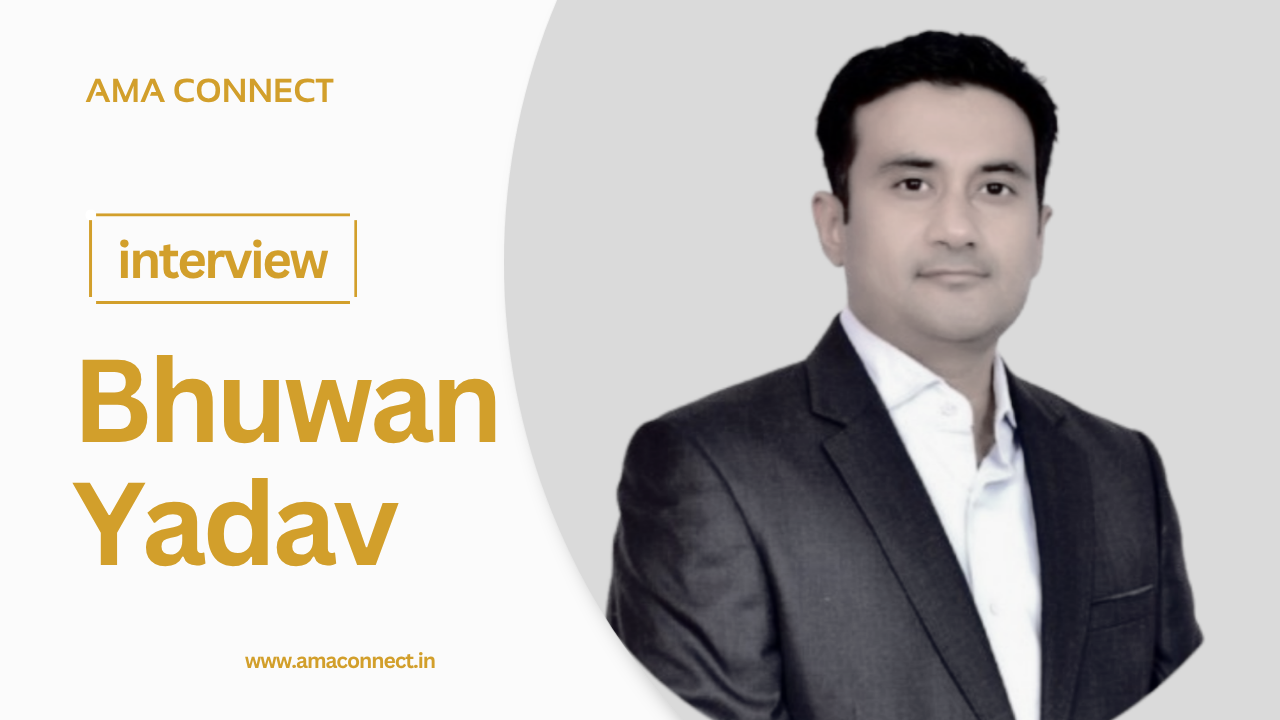
From Law School to Industry: Dr. Bhuwan Yadav's Early Journey
Dr. Bhuwan Yadav's journey in the legal field began with an unshakeable interest in litigation during his formative years at National Law University, Jodhpur. His education was marked by internships with legal stalwarts like Late Shri Shanti Bhushan and Shri Paras Kuhad, as well as experiences with judges from the Gujarat and Rajasthan High Courts. These opportunities taught him the crucial skills of factual analysis, issue identification, and the art of crafting persuasive legal arguments.
These internships were not merely academic exercises; they were transformative experiences that shaped Dr. Yadav's approach to law. Each case he encountered in these formative years presented unique challenges that required not only legal acumen but also a deep understanding of human psychology and negotiation tactics. The rich tapestry of cases he worked on, from constitutional matters to complex commercial disputes, laid a solid foundation for his future endeavours.
The transition from academia to the professional sphere saw Dr. Yadav joining Zydus Cadila Healthcare as an in-house counsel, where he discovered the symbiotic relationship between litigation and contract drafting. He realized that a well-versed litigation lawyer is adept at foreseeing potential disputes while crafting contracts, an insight that would guide his career trajectory.
In his role at Zydus Cadila, Dr. Yadav was immersed in a dynamic environment where legal challenges were intertwined with business objectives. As he navigated through various legal hurdles, he developed a nuanced understanding of the pharmaceutical industry, recognizing the importance of aligning legal strategies with business goals. His ability to anticipate disputes and draft contracts with foresight became one of his defining strengths.
Subsequent roles at Bharat Heavy Electricals Limited (BHEL) and Engineers India Limited (EIL) provided Dr. Yadav with invaluable exposure to manufacturing, supply, and works contracts, particularly within the realms of Engineering, Procurement, and Construction (EPC). These experiences underscored the necessity for contracts to be more than mere legal documents; they must serve as comprehensive roadmaps for executing technically intricate projects.
At BHEL and EIL, Dr. Yadav honed his skills in managing large-scale projects, learning how to balance legal imperatives with technical requirements. He was instrumental in negotiating contracts that not only protected his clients' interests but also facilitated smooth project execution. His role evolved from that of a legal advisor to a strategic partner, where his insights helped drive project success in challenging and complex environments.
"My journey has progressed from law to contracts, contracts to projects, and projects to business strategy."
The Art of Crafting "Dispute-Ready" Contracts
According to Dr. Yadav, the essence of a truly strategic contract lies in its preparedness for unforeseen circumstances, especially in the context of EPC and infrastructure projects. Rather than just documenting agreed terms, these contracts must anticipate potential changes and challenges over their lifespan.
In the world of EPC projects, where timelines stretch over years and involve numerous stakeholders, the ability to foresee and manage potential disputes is invaluable. Dr. Yadav emphasizes that contracts should not only delineate the current agreements but also provide a robust framework for addressing future uncertainties. This proactive approach is critical in ensuring that projects remain on track and within budget.
A strategic contract should commence with a clear allocation of risks and responsibilities, addressing questions like: Who is responsible for design? Who bears the consequences of delays? What happens if site availability is delayed? These considerations enable the contract to serve as a robust framework for navigating uncertainties inherent in lengthy projects.
Beyond risk allocation, a strategic contract must also include well-defined processes for variations, extensions, and compensation for unforeseen events. Dr. Yadav's experience has shown that clarity in these areas helps prevent disputes by providing a clear pathway for addressing issues as they arise. This forward-thinking approach is not just about litigation preparedness; it's about creating a collaborative environment where issues are resolved proactively.
The second pillar of a well-crafted contract is the clarity of its mechanisms. Even legally accurate provisions can falter if they're not practically implementable by project teams. Provisions related to variations, extensions of time, and performance guarantees must be actionable in real-world project scenarios.
To ensure that contractual mechanisms are both clear and practical, Dr. Yadav advocates for the use of simple language and straightforward procedures. Legal jargon, while precise, can often lead to confusion among project teams. By simplifying the language and focusing on practical implementation, contracts become living documents that guide project execution rather than mere records of agreement.
Lastly, Dr. Yadav emphasizes dispute preparedness. A contract should preempt disputes by establishing clear procedures for issue resolution before they escalate into claims. His litigation experience prompts him to scrutinize every clause with a forward-thinking approach, considering potential future disputes and ensuring the language is unambiguous.
Dr. Yadav's approach to dispute preparedness involves a meticulous review of each contract clause, considering potential challenges that may arise years later. By anticipating possible points of contention and drafting clauses that address them clearly, he ensures that disputes are minimized and, when they do occur, are swiftly and effectively resolved.
Strategic Contracting
The best contract doesn't just contain legal jargon; it provides clarity for businesses to make decisions confidently, even amid changing circumstances.
Navigating the Complexities of EPC Project Risks
EPC projects are fraught with challenges from delays to cost overruns. Dr. Yadav identifies six critical lenses through which these risks should be assessed: scope, time, cost, interfaces, performance, and change.
Scope and Time Management
The scope must be meticulously defined through specifications, drawings, and responsibility matrices. For time management, it's crucial to focus on milestones, delay events, and mechanisms for Extensions of Time (EOT).
Effective scope management involves not only detailed specifications but also clear delineation of responsibilities. Dr. Yadav emphasizes that misunderstandings about scope are a common source of disputes, and clear documentation is essential. Similarly, time management requires a proactive approach, with mechanisms in place to address potential delays and adjust project timelines as necessary.
Cost considerations include variations, taxes, and commercial consequences. Interfaces require clarity regarding responsibilities among contractors and stakeholders to prevent disputes. Performance metrics, including testing and warranties, should be clearly measurable.
Dr. Yadav's approach to cost management involves rigorous analysis of potential variations and a clear understanding of how changes will impact the overall project budget. Interface management is equally critical, particularly in complex projects involving multiple contractors. By ensuring that responsibilities are clearly defined and agreed upon, potential disputes can be minimized.
Change Management
Given the inevitability of changes in any project, it's essential to have robust processes for identifying, authorizing, and documenting every change properly. Many disputes arise not from major failures but from poorly documented decisions, highlighting the importance of early involvement of legal and contracts teams.
Change management is an area where Dr. Yadav's expertise shines. His methodology involves a structured approach to documenting changes, ensuring that every adjustment is authorized and valued appropriately. By treating changes as an integral part of project management rather than an afterthought, he has successfully mitigated numerous potential disputes in his career.
"If you identify a contractual risk when it first appears, you still have options; if you identify it when it becomes a dispute, you mostly have positions."
Strategizing Dispute Resolution: A Tailored Approach
Dr. Yadav's approach to dispute resolution is fundamentally strategic, starting with the question: What does the business want to achieve? Understanding the business objective is crucial, whether it involves financial recovery, project completion, or preserving commercial relationships.
In the realm of dispute resolution, Dr. Yadav's philosophy is that the ultimate goal is not merely to win a legal battle but to achieve an outcome aligned with business objectives. This client-centered focus ensures that strategies are tailored to meet the specific needs of each situation, whether it involves negotiation, arbitration, or litigation.
Effective strategy involves analyzing the dispute from all angles, including the contract terms, real-world practices, and potential weaknesses. Over the years, Dr. Yadav has managed over 120 arbitrations, both domestic and international, guiding strategic decisions such as arbitrator selection - a choice that can significantly affect the arbitration process.
Dr. Yadav's extensive experience in arbitration allows him to anticipate the counterparty's arguments and prepare accordingly. By thoroughly understanding both the strengths and weaknesses of a case, he crafts strategies that are not only legally robust but also commercially viable. His focus on selecting the right arbitrator is a testament to the importance of expertise and impartiality in resolving complex disputes.
His guiding principle in arbitration is straightforward: the goal isn't to win arguments but to secure the right commercial and legal outcomes for the business.
This principle underscores Dr. Yadav's holistic approach to dispute resolution. By prioritizing the business's objectives and seeking solutions that balance legal imperatives with commercial realities, he has consistently delivered successful outcomes for his clients.
Resolution Over Argument
In resolving disputes, the ultimate aim is to align legal strategies with business objectives, ensuring outcomes that are not only legally sound but commercially viable.
The Power of Documentation in Contractual Protection
Dr. Yadav likens documentation to the institutional memory of a project, preserving the factual and contractual landscape despite changes in personnel or circumstances. However, common documentation pitfalls can undermine potential claims or defenses, such as missing contractual notices or inadequate records.
Dr. Yadav's focus on documentation is rooted in the belief that clear and comprehensive records are essential for protecting an organization's contractual position. By maintaining detailed records of project developments and decisions, organizations can safeguard their interests and mitigate potential risks.
Dr. Yadav's approach emphasizes contemporaneous record-keeping, connecting events to contractual terms, and reserving organizational rights. Good documentation is not merely about litigation preparedness; it's about maintaining clarity to prevent disputes from arising at all.
His methodology involves creating a systematic process for documenting every aspect of a project, from initial agreements to final execution. By ensuring that records are accurate, timely, and aligned with contractual obligations, he has helped numerous organizations avoid costly disputes and achieve successful project outcomes.
"Good documentation is not about creating paperwork for future litigation; it’s about maintaining a clear project record."
Empowering Non-Legal Professionals in Contract Administration
Dr. Yadav strongly advocates for shared responsibility in contract management. He underscores the role of technology, particularly AI-enabled tools, in enhancing record-keeping and reducing manual errors. This technological integration is crucial for creating reliable project records and informed contractual decisions.
The use of technology in contract administration is a key component of Dr. Yadav's strategy for empowering non-legal professionals. By leveraging AI and automation, project teams can improve the accuracy and efficiency of their documentation processes, ensuring that records are comprehensive and accessible.
He highlights the significance of seemingly routine decisions, such as Extension of Time or Change Orders, which can become the foundation of a successful EPC contract or a future dispute. Therefore, each decision should be thoroughly evaluated, documented, and aligned with contractual provisions.
By providing training and resources to non-legal professionals, Dr. Yadav enables them to understand the legal implications of their decisions and take appropriate action to protect the organization's interests. This collaborative approach fosters a culture of shared responsibility and proactive risk management.
The overarching goal is clear: leverage technology to minimize errors and empower non-legal professionals to make informed decisions before issues escalate into disputes.
Technology in Contract Management
By integrating AI and automation, project teams can enhance documentation accuracy, reduce human error, and ensure that decisions are well-informed and legally sound.
The Future of Legal Careers in the Age of AI
Dr. Yadav firmly believes that while AI will transform the legal profession, it will not diminish the importance of skilled lawyers. Instead, technology will reshape the nature of legal work, allowing lawyers to focus on analysis, judgment, and adding business value rather than routine tasks.
In the age of AI, the role of legal professionals is evolving from routine legal tasks to more strategic and advisory functions. Dr. Yadav sees this transformation as an opportunity for lawyers to redefine their roles and focus on activities that add greater value to their organizations.
AI and contract lifecycle tools streamline contract management, enabling lawyers to concentrate on critical, complex, or sensitive issues that require innovative solutions. As the role of in-house counsel becomes more strategic, the ability to evaluate risks, understand commercial implications, and recommend practical solutions will be paramount.
Dr. Yadav's advice to young professionals entering the legal field is to build a strong foundation in legal principles, understand the business context in which they operate, and embrace technology as a tool for enhancing efficiency and effectiveness.
Build legal fundamentals: A solid foundation in legal principles is essential for addressing complex issues.
Understand the business: Legal advice must align with business objectives and strategies.
Embrace technology: Use AI as a tool to enhance efficiency without compromising on legal judgment.
In a single summarizing sentence, Dr. Yadav encapsulates the future of legal professionals: The lawyer of tomorrow will need to be legally sound, commercially intelligent, and technologically comfortable.
Reflections on a Legal Odyssey
Dr. Bhuwan Yadav's career is a testament to the evolving role of legal professionals in the modern business landscape. From his early days at NLU Jodhpur to his current role as Chief Law Manager at GAIL, his journey reflects a continuous evolution from law to contracts, projects, and ultimately, strategic business advisory.
Throughout his career, Dr. Yadav has demonstrated a deep understanding of the complexities of the legal and business environments. His insights offer valuable lessons for both seasoned practitioners and aspiring legal professionals. His emphasis on strategic contracting, proactive risk management, and the integration of technology highlights the dynamic nature of the legal field, especially in the context of complex EPC projects.
As the legal profession navigates the transformative impact of technology, Dr. Yadav's approach serves as a guiding light, demonstrating how lawyers can remain indispensable by combining legal acumen with business intelligence and technological adaptability. His career is a powerful reminder that the true value of a lawyer lies in their ability to anticipate challenges, craft strategic solutions, and drive business success.
The Intersection of Legal Expertise and Business Strategy
Dr. Yadav's ability to blend legal expertise with business strategy has been a hallmark of his career. This unique intersection has enabled him to contribute not only as a legal advisor but also as a strategic partner in driving organizational success.
His role often involves working closely with various stakeholders, from engineers to executives, ensuring that legal considerations are seamlessly integrated into business decisions. This collaborative approach fosters an environment where legal insights are valued as integral to achieving business objectives.
Dr. Yadav's strategic mindset is evident in his approach to risk management. By anticipating potential legal challenges and aligning them with business strategies, he has helped organizations navigate complex environments and achieve long-term success.
His insights demonstrate the value of a holistic approach to legal practice, where the focus is not solely on resolving legal issues but on contributing to the overall success of the organization. This perspective is increasingly important as businesses face a rapidly changing landscape, where legal and business strategies must be closely aligned.